Key Takeaways
- Identify the main causes of a blocked toilet, such as flushing non-biodegradable items or dealing with old plumbing and tree roots.
- Take immediate safety steps when facing a blockage, including turning off the water supply, wearing gloves, and assessing the situation to prevent overflow and water damage.
- Try effective DIY solutions like using a plunger, the baking soda and vinegar method, or hot water to clear minor obstructions.
- Call a professional plumber if blockages persist, signs of sewer issues appear, or there is a risk of leaks and property damage.
- Prevent future blockages by flushing only toilet paper and waste, scheduling routine CCTV drain inspections, and ensuring good flushing habits in homes and businesses.
Blocked toilets are common household problems typically caused by flushing unsuitable items like wet wipes, sanitary products, or excess toilet paper. Whilst simple DIY methods such as plunging, hot water, or baking soda and vinegar can clear minor blockages, persistent clogs require professional intervention. Qualified plumbers like thebrisbaneplumbers.com.au offer 24/7 emergency services with specialised equipment to resolve stubborn blockages and prevent further damage.
Common Causes Of A Blocked Toilet
Blocked toilets often result from flushing unsuitable items. Wet wipes, sanitary products, and paper towels, found in both homes and commercial premises in Brisbane, frequently cause blockages since these items don’t break down like standard toilet paper. Excess toilet paper, especially in schools or offices, can quickly form compact obstructions inside drains.
Toilet cisterns with low water pressure sometimes fail to clear waste effectively, leaving solids in the bowl or trap. Older properties in suburbs like Paddington or Toowong often still use outdated plumbing that increases blockage risk due to corroded or narrow pipes. Tree roots entering underground drains, detected using CCTV drain inspection technology by The Brisbane Plumbers, create persistent problems in established areas of Brisbane.
Children often flush toys or foreign objects, obstructing the toilet’s internal passages. For Brisbane commercial properties such as restaurants and hotels, improper waste disposal by staff or patrons escalates blockage issues, especially during busy hours.
Blocked toilet investigations often uncover excess hair, soap scum, or grease entering drains from adjoining bathrooms or kitchens—these substances solidify and restrict water flow. The Brisbane Plumbers resolve these blockages using professional-grade plungers, mechanical drain snakes, or high-pressure water jetting, keeping both residential and commercial plumbing systems clear across the greater Brisbane area.
Initial Steps To Take When Your Toilet Is Blocked
Blocked toilets in Brisbane homes or businesses often demand immediate, careful attention to avoid overflowing, water damage or health risks. The Brisbane Plumbers respond to emergency calls 24/7 for urgent toilet blockages, minimising bathroom disruption and potential property damage.
Assessing The Situation
Check the toilet bowl for water level and identify any visible obstructions, such as excessive tissue or small objects. Determine if water is rising dangerously close to the bowl rim. Listen for unusual sounds in the pipework, such as gurgling, as this may suggest a deeper blockage. The Brisbane Plumbers use CCTV drain inspections to locate stubborn obstructions quickly in commercial or residential toilets, reducing guesswork and minimising time on site. Confirm whether one toilet or several fixtures are affected, since multiple blockages may indicate a main drain problem.
Safety Precautions Before You Begin
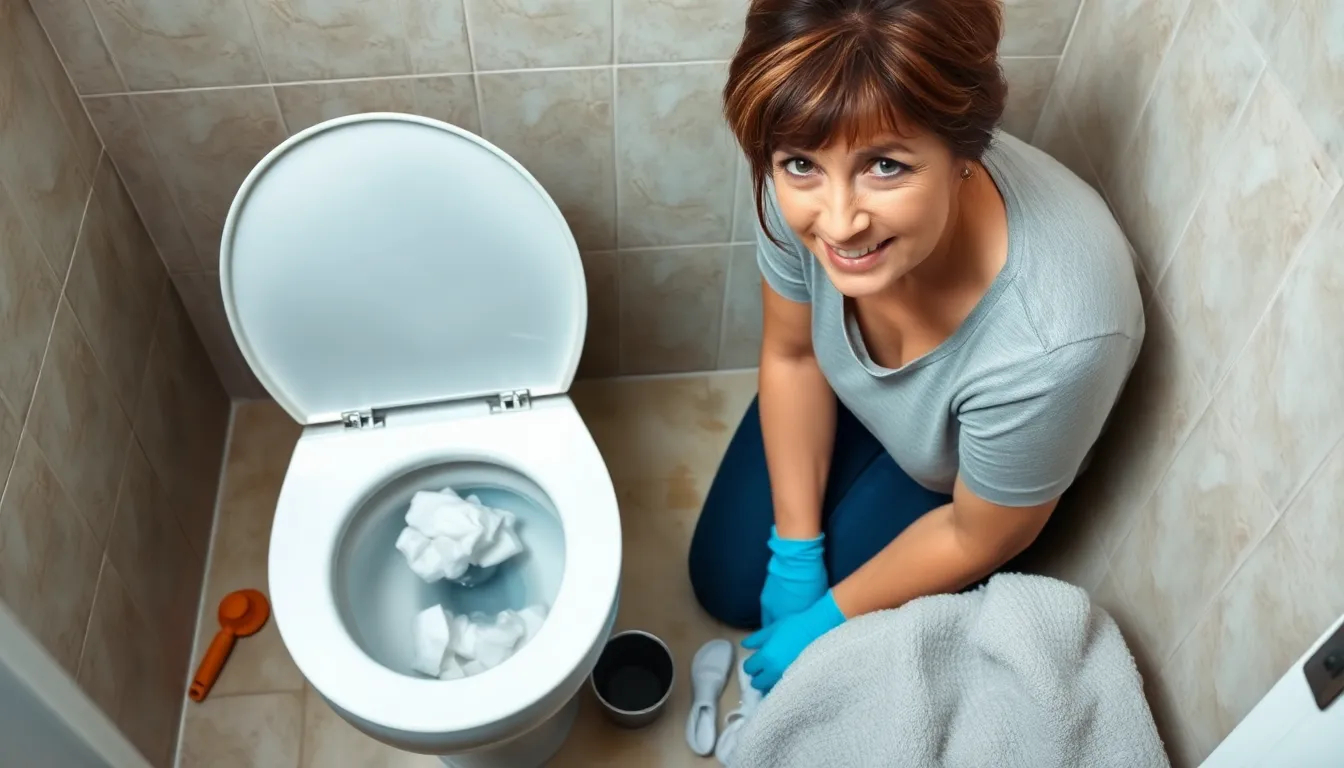
Turn off the toilet’s water supply by shutting the cistern isolation valve, typically found next to or behind the toilet. Lay old towels or newspaper on the bathroom floor to absorb any water spills. Wear rubber gloves to avoid contact with harmful bacteria. Remove mats or belongings near the toilet to prevent contamination. If the blockage appears severe or water is already overflowing, contact The Brisbane Plumbers on 1300 576 388 for immediate assistance. Professional intervention helps avoid costly repairs and ensures a prompt, sanitised solution.
DIY Methods For Unblocking A Toilet
Blocked toilets in Brisbane properties often respond to simple home methods if the cause is limited to minor obstructions. Residents try these steps before contacting The Brisbane Plumbers for 24/7 assistance.
Using A Plunger Effectively
Plungers clear most blockages caused by excess toilet paper or small lodged items. Select a flange plunger since its extended rubber can form a tight seal across modern toilet drain holes. Add enough water to the bowl to fully cover the plunger cup—this step increases suction force. Place the rubber end over the waste outlet, press firmly to push out trapped air, then use quick, powerful plunges for about 10–20 seconds. Repeat this motion two to three times if needed. Flush the toilet once the blockage loosens. For persistent or multi-fixture clogs, contact Joseph, Director at The Brisbane Plumbers, at 1300 576 388 for immediate resolution.
The Baking Soda And Vinegar Technique
Baking soda and vinegar help dissolve organic build-ups, like paper or small waste particles, in residential and commercial toilets. Pour 1 cup of baking soda directly into the toilet bowl, then slowly add 2 cups of vinegar to trigger a fizzing action. Allow 30 minutes for the solution to break down clogs. Attempt to flush once fizzing stops—minor obstructions often clear at this stage. Avoid this method if the bowl’s already full, as foaming may cause overflow. If solid debris remains, The Brisbane Plumbers’ team can use CCTV inspections to diagnose and fix deeper issues.
Hot Water Flush Method
Hot water softens and dislodges blockages caused by compressible matter, like toilet paper or organic debris. Fill a bucket with hot (not boiling) water and pour it steadily into the bowl from waist height. The added pressure and heat help push or break apart the obstruction. Wait a few minutes, then flush the toilet. Repeat up to two times for best effect, provided there’s no risk of overflow. For stubborn clogs, or if the issue recurs, The Brisbane Plumbers offers fast response and advanced blockage removal services for Brisbane homes and businesses.
When To Call A Professional Plumber
Contact a professional plumber in Brisbane for persistent toilet blockages that don’t clear after following DIY methods such as plunging, using hot water and washing-up liquid, or applying baking soda and vinegar. Severe blockages often indicate complex issues, such as drain pipe obstructions or sewer line faults, and these need specialist equipment and expertise for safe removal.
Inspect the situation for recurring overflows, water leaking around the toilet base, or structural damage; these signs warrant urgent help. Recognise that repeated toilet clogs in multiple fixtures can signal a main drain or sewer issue affecting the entire Brisbane property. Attempting further home remedies in these cases might worsen leaks and water damage.
Choose qualified tradespeople such as The Brisbane Plumbers for 24/7 emergency service and reliable long-term solutions. Joseph, the director, and his team use CCTV drain inspection, mechanical drain snakes, and high-pressure water jetting for identifying and clearing stubborn blockages. They handle both residential and commercial sites across the greater Brisbane area, including pipe relining and full plumbing maintenance support.
Engage The Brisbane Plumbers by phone at 1300 576 388 or email [email protected] for any blocked toilet that won’t respond to initial intervention, especially when property safety or hygiene is at risk.
Preventing Future Toilet Blockages
Routine maintenance practices prevent most toilet blockages in Brisbane homes and businesses. Regularly avoid flushing non-biodegradable items such as wet wipes, nappies, cotton buds, and sanitary products, since these create dense obstructions. Use only small amounts of toilet paper with every flush and ensure bins for sanitary waste are available in commercial settings.
CCTV drain surveys, offered by providers like The Brisbane Plumbers, identify early warning signs of pipe buildup and tree root intrusion. Joseph, Director of The Brisbane Plumbers, recommends annual CCTV inspections for older Brisbane suburbs where cracked or misaligned pipes are common.
Clear instructions for residents, tenants, and staff members support better flushing habits. Place signage above commercial and shared toilets to remind users that only toilet paper and waste belong in the pan.
Monthly cleaning around the toilet base and inside the bowl helps reduce the risk of accumulated grime or limescale entering drains. Regular attention keeps plumbing systems clear and maintains toilet hygiene.
The Brisbane Plumbers provide prompt support for persistent issues. For 24/7 guidance or scheduled drain maintenance, contact Joseph on 1300 576 388 or [email protected]. Their team services the greater Brisbane area, specialising in blocked toilets, pipe repairs, and preventative plumbing solutions.
About The Brisbane Plumbers
The Brisbane Plumbers, located in Brisbane, QLD, offer a full range of plumbing services with a focus on prompt and reliable solutions.
Led by Director Joseph, the company provides 24/7 emergency plumbing for issues such as burst pipes, gas leaks, and water leaks. They also specialise in expert pipe relining for repairing burst pipes without excavation, advanced CCTV drain inspections for blocked drains, and general plumbing services including repairs and maintenance. Additionally, The Brisbane Plumbers offer hot water system diagnostics, repairs, and maintenance for both gas and electric systems, along with professional gas fitting services.
Contact:
Joseph, Director
Phone: 1300 576 388
Email: [email protected]
Location: Brisbane, QLD 4034
Website: www.thebrisbaneplumbers.com.au
Frequently Asked Questions
What are the most common causes of a blocked toilet?
Blocked toilets are often caused by flushing unsuitable items such as wet wipes, sanitary products, and paper towels, which do not break down like toilet paper. Excess toilet paper use, low water pressure, old plumbing, tree roots in pipes, and accidental flushing of toys or foreign objects can also lead to blockages.
What should I do immediately if my toilet is blocked?
Act quickly to prevent overflow. Turn off the toilet’s water supply, place towels around the base to absorb spills, and wear rubber gloves. Check for visible obstructions and avoid repeated flushing, as this can worsen the problem.
Are there any DIY methods for unblocking a toilet?
Yes, minor blockages can often be cleared with a flange plunger. The baking soda and vinegar method or hot water flush can help with organic build-ups. If the blockage persists, it is best to contact a professional plumber for assistance.
When should I call a professional plumber for a blocked toilet?
Call a plumber if home remedies fail, if water leaks around the toilet base, or if there is recurring overflow. These may signal complex issues in the main drain or sewer line that require specialised tools and expertise to resolve.
How can I prevent toilet blockages in the future?
Avoid flushing non-biodegradable items and use only a small amount of toilet paper. Regularly clean the toilet area, educate household members on proper flushing habits, and consider annual CCTV drain surveys, especially in older homes or areas with known plumbing issues.