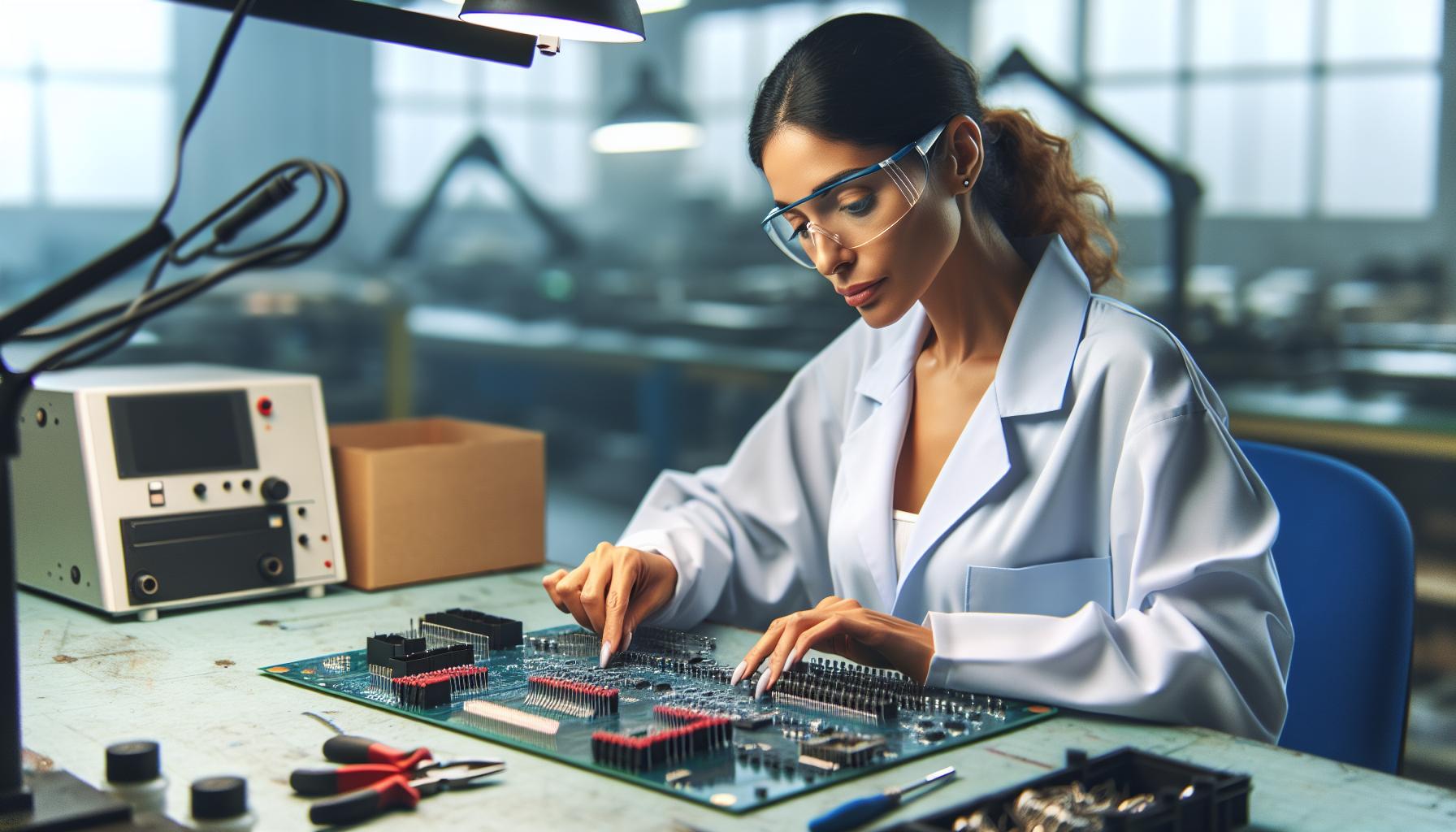
PCB assembly plays a crucial role in the electronics industry, serving as the backbone for countless devices. It involves the process of putting together printed circuit boards, which house the essential components that allow electronic devices to function. Understanding PCB assembly not only sheds light on how technology works but also highlights its importance in innovation and efficiency across various sectors.
What Is A PCB Assembly?
PCB assembly refers to the process of connecting electronic components to a printed circuit board (PCB). This process is essential for creating functional electronic devices. PCB assemblies contain components such as resistors, capacitors, and integrated circuits.
PCB assembly involves several key steps:
- Design: Engineers create a schematic that outlines the circuit and components required.
- Manufacturing: The PCB is produced using materials that improve electrical conductivity and durability.
- Component Placement: Components are placed on the PCB using automated machinery or manual labor.
- Soldering: The components are secured to the PCB either through wave soldering or reflow soldering techniques.
- Testing: The assembly undergoes rigorous testing to ensure functionality and reliability.
Understanding PCB assembly is crucial for its role in various sectors, including consumer electronics, automotive technology, and industrial machinery. A well-executed PCB assembly enhances the performance and reliability of electronic devices, contributing to their overall functionality.
Importance Of PCB Assembly

PCB assembly plays a crucial role in the electronics sector, serving as the backbone for an array of devices and systems. This process ensures the reliable functioning of electronic products by integrating various components onto a printed circuit board.
Role In Electronics
PCB assembly serves multiple essential functions in electronics. It facilitates the integration of components such as microcontrollers, resistors, and capacitors, enabling complex electronics to operate effectively. Assembling printed circuit boards streamlines the manufacturing process, ensuring accuracy and consistency, which are vital for mass production. The skilled assembly of circuit boards supports the development of innovative technologies, from consumer devices like smartphones to critical systems in medical equipment.
Impact On Performance
A well-executed PCB assembly directly influences the performance and reliability of electronic devices. Accurate component placement minimizes signal interference and enhances electrical connectivity. High-quality soldering techniques contribute to the durability and longevity of the circuit connections, reducing the risk of failures. Testing during the assembly process identifies defects early, ensuring that only performance-ready products reach the market. Enhanced performance translates into user satisfaction and the potential for technological advancements across various industries.
Types Of PCB Assemblies
PCB assemblies come in several types, each suited for different applications and design requirements. Understanding these types is essential for selecting the right assembly method.
Through-Hole Assembly
Through-hole assembly involves inserting electronic components into pre-drilled holes on a PCB. This method ensures strong mechanical connections, making it suitable for applications requiring durability. Components used in through-hole assembly typically include large resistors, capacitors, and connectors. This assembly method often features wave soldering or manual soldering techniques to secure the components.
Surface Mount Assembly
Surface mount assembly (SMA) places components directly on the surface of the PCB. This method supports smaller components, allowing for compact designs. Surface mount technology enhances assembly speed and reduces production costs, frequently used in consumer electronics and telecommunications. Soldering techniques for this method include reflow soldering, which uses heat to melt solder paste and create reliable connections.
Components Used In PCB Assembly
PCB assembly incorporates a variety of components essential for electronic functionality. The main categories of components include passive components and active components, each serving specific purposes in circuit design.
Passive Components
Passive components do not amplify or process electrical signals. Instead, they store or dissipate energy in various forms. Common types of passive components include:
- Resistors: Control current flow within a circuit, offering resistance and dissipating energy as heat.
- Capacitors: Store electrical energy temporarily, aiding in maintaining voltage levels and providing power stability.
- Inductors: Store energy in a magnetic field when electric current passes through. Used in filters and energy storage.
These components play a critical role in defining the behavior of circuits, influencing factors like signal quality and energy consumption.
Active Components
Active components can control and amplify electronic signals. They require an external power source to function effectively. Key active components include:
- Transistors: Act as switches or amplifiers, modulating current flow within a circuit.
- Integrated Circuits (ICs): Combine multiple electronic functions onto a single chip. They perform various tasks, such as signal processing and data storage.
- Diodes: Allow current to flow in one direction only, protecting circuits from reverse polarity and controlling current flow.
Active components significantly improve the functionality of PCBs, enabling complex computations and processes essential in modern electronics.
PCB Assembly Process
PCB assembly is a systematic approach that involves multiple essential stages from design to testing. Each step plays a critical role in ensuring the efficiency and reliability of electronic devices.
Design And Prototyping
Design and prototyping is the initial stage, where engineers create printed circuit board layouts using specialized software. They consider factors such as component placement, signal pathways, and thermal management. Prototyping allows for evaluating the design’s functionality before moving to manufacturing, typically done through small-scale production. This step serves to identify potential flaws and gather feedback, ensuring the final design meets specifications and performance requirements.
Manufacturing And Testing
Manufacturing and testing encompass the processes that follow design approval. The manufacturing phase includes fabricating the printed circuit board and assembling components through methods such as surface mount technology (SMT) or through-hole assembly. Automated machines facilitate efficient component placement, while high-quality soldering techniques ensure strong electrical connections.
Testing is crucial to verify that each assembly operates correctly. Common testing methods include visual inspection, automated optical inspection (AOI), and functional testing. These assessments help identify defects, ensuring that only reliable products proceed to market, minimizing issues in end-use scenarios. Prioritizing thorough testing enhances the overall quality and performance of electronic devices.
Conclusion
Understanding PCB assembly is vital for anyone involved in the electronics industry. This process not only ensures the reliable operation of electronic devices but also drives innovation and efficiency. By mastering the intricacies of component integration and assembly techniques, a PCB assembly manufacturer can improve product performance and durability.
The choice between through-hole and surface mount assembly methods allows for tailored solutions to meet specific design requirements. With a focus on quality control through rigorous testing, the industry can maintain high standards and deliver products that satisfy consumer demands.
Ultimately, PCB assembly stands as a cornerstone of modern electronics, shaping the future of technology across various sectors.
Frequently Asked Questions
What is PCB assembly?
PCB assembly is the process of connecting electronic components to a printed circuit board (PCB). It’s essential for the operation of electronic devices, as it involves placing components like resistors, capacitors, and integrated circuits onto the PCB for functionality and performance.
Why is PCB assembly important in the electronics industry?
PCB assembly is crucial because it serves as the foundation for a wide range of electronic devices. A well-executed assembly enhances device performance, reliability, and efficiency, impacting various sectors, including consumer electronics, automotive technology, and industrial machinery.
What are the main steps involved in PCB assembly?
The main steps in PCB assembly include design and prototyping, manufacturing, component placement, soldering, and testing. Each step is vital to ensure that the assembled PCB operates correctly and meets quality standards before reaching the market.
What are the types of PCB assembly methods?
The two primary methods of PCB assembly are through-hole assembly and surface mount assembly (SMA). Through-hole assembly offers strong mechanical connections, while SMA allows for compact designs, enhancing assembly speed and reducing production costs.
What are passive and active components in PCB assembly?
Passive components, such as resistors and capacitors, store or dissipate energy and do not amplify signals. Active components, including transistors and integrated circuits, require an external power source and can control or amplify signals, contributing to the circuit’s functionality.
How does testing impact PCB assembly?
Testing is a critical phase in PCB assembly that verifies the functionality of the assembled components. It helps identify defects early in the process, ensuring that only reliable products reach the market, which enhances product quality and user satisfaction.
What role does design play in PCB assembly?
The design phase in PCB assembly involves creating layouts using specialized software, taking into account component placement and thermal management. A well-thought-out design is key to ensuring the PCB performs efficiently and effectively during operation.
How does surface mount technology benefit PCB assembly?
Surface mount technology (SMA) benefits PCB assembly by allowing for more compact designs, increasing assembly speed, and reducing production costs. This method is especially popular in consumer electronics and telecommunications due to its efficiency and effectiveness.