Key Takeaways
- Waterproof wire harnesses are essential for protecting electrical connections from moisture, dust, and corrosion in automotive, marine, industrial, and outdoor environments.
- These harnesses utilize specialized materials like cross-linked polyethylene, thermoplastic elastomer, and sealed connectors to achieve high IP ratings (IP67/IP68) for reliable protection against water ingress.
- Using waterproof wire harnesses extends equipment lifespan, reduces downtime, and minimizes costly failures or warranty claims due to moisture-related electrical issues.
- Proper installation and regular maintenance, including correct routing, secure clamping, and timely gasket replacement, are crucial for maintaining optimal waterproof performance.
- Choosing the right harness involves considering application environment, IP rating, conductor material, insulation type, sealing method, and compliance with industry standards.
Waterproof wire harnesses protect electrical connections from moisture, dust, and corrosion using specialised sealing materials and connectors to achieve IP67 or IP68 protection ratings. These robust assemblies are essential for automotive, marine, and industrial applications where exposure to harsh environments threatens system reliability. Leading manufacturers like Cloom Tech produce custom waterproof wire harness solutions that extend equipment lifespan, reduce maintenance costs, and minimise costly failures in demanding operational conditions.
What Is a Waterproof Wire Harness?
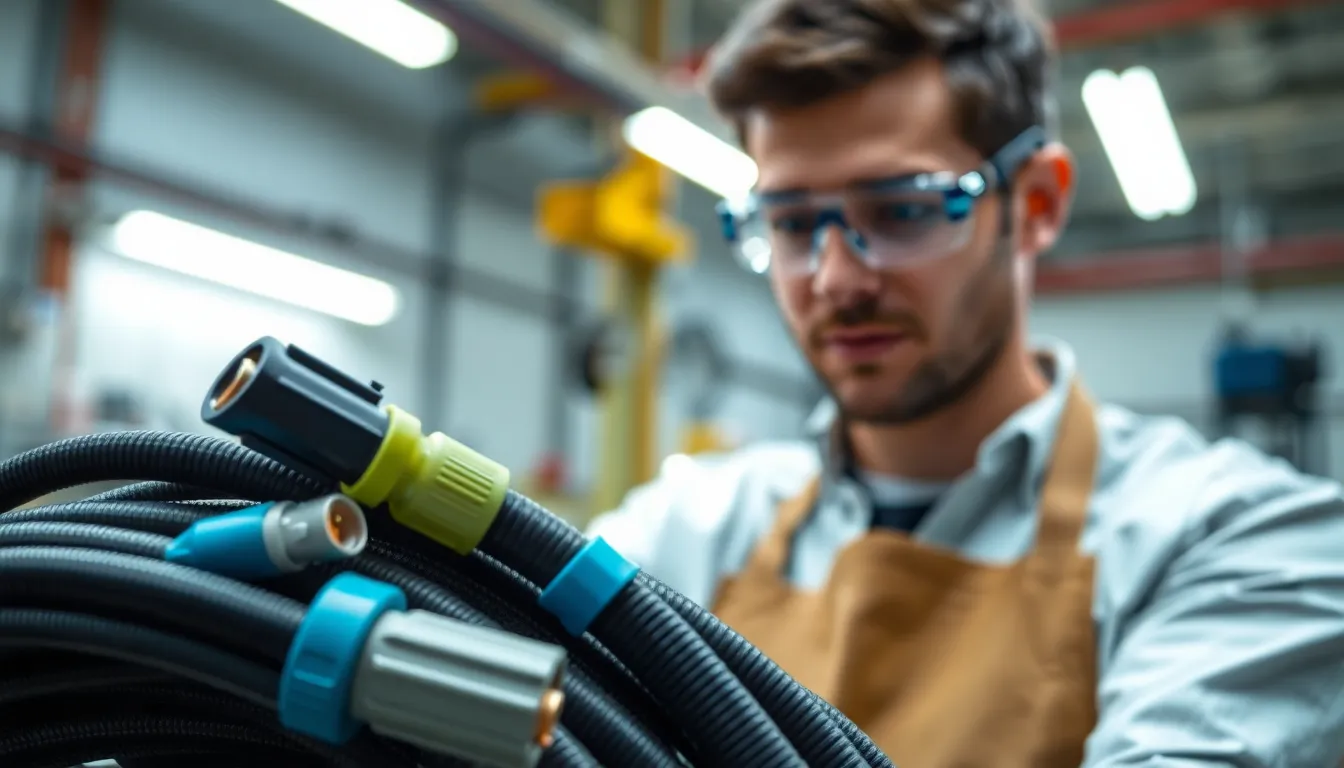
A waterproof wire harness uses sealed connectors and durable insulation to block water, dust, and humidity from reaching internal wiring. Engineers select these harnesses for outdoor, marine, and industrial environments where exposure to moisture and contaminants leads to corrosion or short circuits.
Manufacturers design waterproof harnesses with thermoplastic or thermoset sheathing materials, inserting silicone gaskets and overmolded connectors. Applications include automotive headlights, boat electronics, and sensor networks in agricultural machinery. Each harness integrates strain relief features to prevent damage from flexing or vibration.
Cloom Tech in Florida produces waterproof wire harnesses for clients in automotive, robotics, medical, and aerospace sectors. Technicians use automated cutting, crimping, and ultrasonic welding, maintaining IPC/WHMA-A-620 standards for wire processing. Assemblies undergo in-house IP67 and IP68 testing for water ingress protection, meeting requirements for submerged and direct spray environments.
OEM engineers use waterproof wire harnesses to improve product lifespans, simplify installation in harsh settings, and reduce warranty claims by ensuring reliable electrical connections regardless of moisture levels.
Key Features of Waterproof Wire Harnesses
Waterproof wire harnesses maintain electrical function by blocking water, dust, and corrosion in demanding locations. Their design limits failures in systems placed outdoors or in wet industrial environments.
Materials and Construction
Manufacturers build waterproof wire harnesses using insulation and jacketing compounds that resist water penetration, such as cross-linked polyethylene, PVC, or thermoplastic elastomer. Conductors—usually stranded copper—are coated with protective layers to stop oxidation. Silicone gaskets, heat-shrink tubing, and overmolded connectors ensure tight barriers at termination points. Cloom Tech employs automated cutting, crimping, and ultrasonic welding to maintain quality and compliance with IPC/WHMA-A-620. UV-resistant compounds support use in automotive, marine, and outdoor equipment exposed to sunlight and moisture year-round.
Types of Waterproof Seals
Wire harnesses use distinct sealing techniques to meet environmental demands. Integral seals—like silicone flat gaskets and O-rings—block water where connectors attach. Overmolded connectors encase splices and terminations in molded plastic for IP67 or IP68 ratings. Heat-shrink boots and tubing provide secondary seals along cable lengths, supporting wire entry and exit points. At Cloom Tech, engineers match the seal design to customer requirements, ensuring ingress protection for automotive engine bays, medical device housings, and field-deployed robotics. Multipoint sealing options address high-vibration and submersion conditions, where single-seal methods sometimes fail.
Benefits of Using Waterproof Wire Harnesses
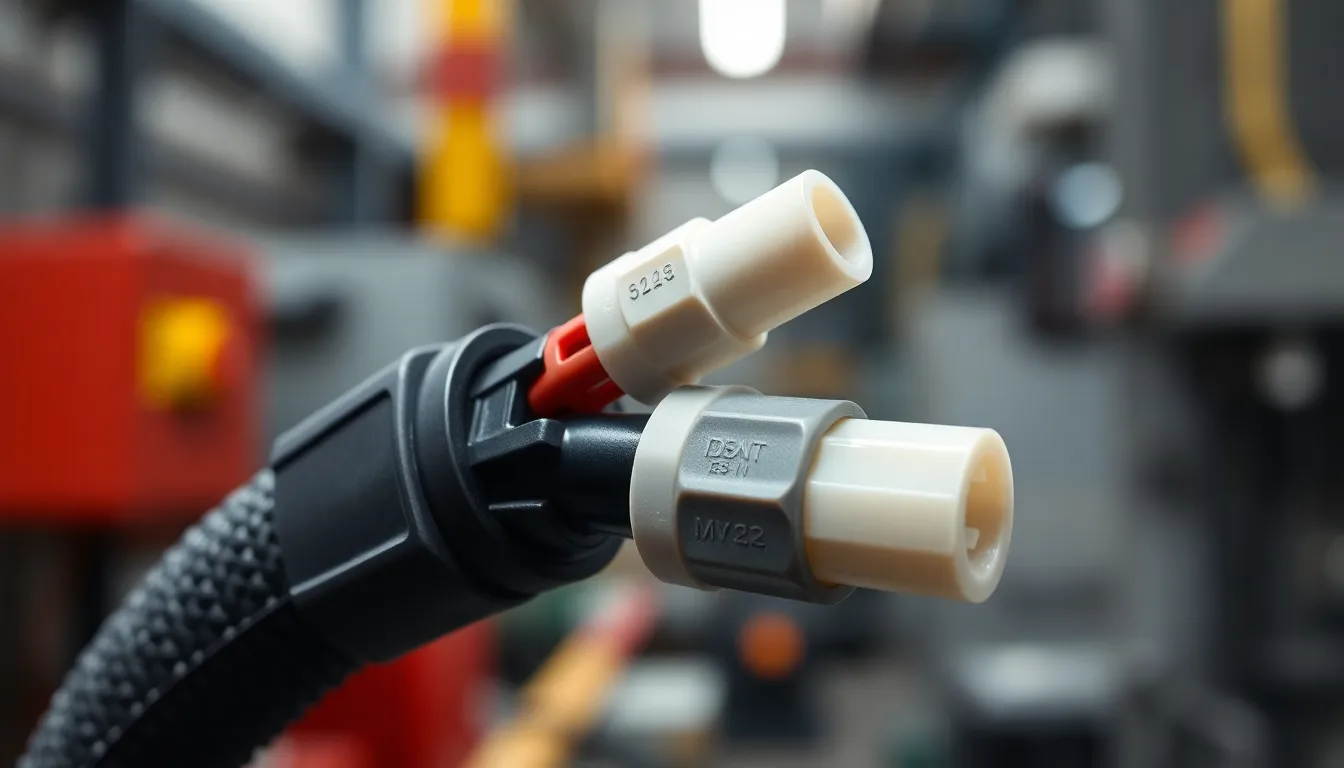
Waterproof wire harnesses protect critical electrical pathways from moisture, dust, and chemicals in exposed environments. Cloom Tech produces harness solutions meeting IP67 and IP68 standards, which significantly reduce the likelihood of water ingress and keep circuits fully operational even when submerged up to 1 meter for 30 minutes. Failures from corrosion or short circuits rarely occur when properly sealed harnesses are used.
Waterproofing extends equipment service life by preventing signal loss, power shorts, and false sensor readings, which typically result from water exposure. Applications in automotive headlights, marine engine controls, and medical imaging equipment experience fewer reliability issues when equipped with these harnesses.
Installation and maintenance efficiencies increase with overmolded connectors and clearly coded assemblies, which Cloom Tech manufacturers integrate to simplify fieldwork and reduce connection errors. Warranty claims for faulty wiring decrease since environmental damage is minimized.
Cost savings result from reduced downtime, fewer replacement parts, and minimal field repairs. Product engineers at Cloom Tech achieve reliable moisture protection using custom-gasketed connectors, heat-shrink barriers, and high-grade thermoplastic insulation tailored for each client’s application. Consistency in manufacturing ensures every harness meets exact standards for safety and performance.
Common Applications for Waterproof Wire Harnesses
Waterproof wire harnesses function reliably where electrical systems encounter moisture exposure or direct water contact. Cloom Tech supplies these harnesses to industries demanding high ingress protection.
Automotive and Marine Industries
Automotive wire harnesses with waterproof features integrate into headlights, taillights, door modules, and engine bays, supporting continuous operation despite rain, splashes, and humidity. Marine-grade harnesses from Cloom Tech protect navigation electronics, bilge pumps, and auxiliary lighting on boats and personal watercraft, resisting saltwater corrosion and vibration. Overmolded connectors and sealed terminals ensure connections meet IP67 or IP68 standards, matching OEM requirements for vehicles and vessels subject to routine water exposure. Engineers select thermoplastic sheathing and silicone gaskets based on field-tested performance, reducing short circuit incidents and maintenance downtime for fleet and marine applications.
Industrial and Outdoor Equipment
Heavy equipment including agricultural machinery, construction vehicles, and outdoor generators integrates waterproof wire harnesses to maintain electrical integrity under harsh weather and dirt exposure. Cloom Tech designs assemblies with cross-linked polyethylene insulation and heat-shrink tubing for sensors, control panels, HVAC systems, and surveillance cameras, delivering extended service life. Custom harnesses in factory automation lines or remote pumping stations withstand washdowns and chemical sprays. Standard-compliant testing at Cloom Tech certifies each harness to operate after complete submersion or high-pressure cleaning, supporting equipment reliability in outdoor or industrial settings with elevated dust, mud, or liquid exposure.
How to Choose the Right Waterproof Wire Harness
Choosing the right waterproof wire harness depends on the application environment and durability requirements. Product engineers and buyers prioritize protection levels for outdoor, automotive, and marine equipment where moisture risk is high.
Important Specifications to Consider
- IP Rating
IP rating measures ingress protection against water and solids. IP67 or IP68 harnesses from Cloom Tech, for example, withstand short-term or prolonged submersion in water as required in marine electronics or external automotive lights.
- Conductor Material
Conductor material such as tinned copper resists corrosion and enables reliable current flow. Cloom Tech sources pre-tinned copper for harnesses used in outdoor security and agriculture systems.
- Insulation Type
Insulation type like cross-linked polyethylene, thermoplastic elastomer, or PVC, provides resistance to water, chemicals, and UV. Thermoplastic elastomer insulation suits industrial automation exposed to washing or rain.
- Sealing Method
Sealing method, including overmolded connectors, silicone gaskets, or heat-shrink tubing, blocks water at junctions. Cloom Tech uses ultrasonic welding and molded transitions for medical, automotive, and industrial assemblies.
- Operating Temperature Range
Operating temperature range defines reliability in fluctuating outdoor or engine bay conditions. Materials tested by Cloom Tech sustain performance from −40°C to 125°C in off-road and specialty vehicle harnesses.
- Compliance and Testing
Compliance with IPC/WHMA-A-620 and testing to IP67/IP68 confirm harness endurance and quality. Cloom Tech’s automated processes assure that custom solutions meet these standards for safety-critical devices.
Installation and Maintenance Tips
Correct installation ensures a waterproof wire harness blocks moisture ingress and maintains electrical integrity. Route harnesses away from high-abrasion points and sharp edges, secure them with nylon clamps every 12 to 18 inches, and keep all connectors fully engaged to prevent leaks. Apply dielectric grease on connector seals for extra moisture barrier, unless the assembly uses overmolded connectors. Cloom Tech provides assemblies labeled for proper terminal orientation, aiding rapid alignment and minimizing connection errors.
Regular visual inspections detect insulation nicks, cracked seals, or signs of corrosion. Replace or reseal damaged gaskets immediately, since even minor tears compromise ingress protection. Clean connectors with isopropyl alcohol to remove residue before reconnecting, only if the connector isn’t factory-sealed.
Torque connector fasteners to manufacturer-specified values, as overtightening can deform seals and create leak paths. Use only Cloom Tech-recommended replacement parts, since mismatched seals or connectors reduce protection under wet conditions. Keep harness assemblies dry before installation to prevent initial moisture trapping inside connectors or junctions. Document maintenance cycles using Cloom Tech traceability labels, helping engineers identify root causes in the rare event of a field failure.
About Cloom Tech
Cloom Tech specializes in manufacturing custom wire harnesses and cable assemblies for various industries, including automotive, robotics, medical devices, and aerospace. Their services encompass design support from prototype to production, ensuring high-quality, durable, and reliable wiring solutions tailored to meet unique project requirements. Whether it’s a complex automotive harness or a precision medical device cable assembly, they are equipped to deliver customized solutions for diverse industrial applications.
Contact:
Ivy Zhao, Spokesperson
Phone: +1 863 434 8447
Email: [email protected]
Website: cloomtech.com
Location:
9251 NW 112th Ave, Medley, FL 33178, USA
Frequently Asked Questions
What is a waterproof wire harness?
A waterproof wire harness is a specialized assembly of wires and connectors designed to protect electrical circuits from water, dust, and contaminants. Its construction uses sealed connectors, durable insulation, and specialized sealing materials to block moisture and ensure reliable electrical performance in harsh environments.
Why are waterproof wire harnesses important?
Waterproof wire harnesses are essential for preventing moisture ingress that can cause short circuits, corrosion, and equipment failure. They help extend the life of electronic systems, reduce maintenance costs, and ensure reliable operation in automotive, marine, industrial, and outdoor settings.
What materials are used in waterproof wire harnesses?
Manufacturers use materials like cross-linked polyethylene, PVC, thermoplastic elastomer insulation, silicone gaskets, overmolded connectors, and tinned or coated copper conductors. These materials are chosen for their durability, corrosion resistance, and ability to create tight seals against moisture and dust.
Where are waterproof wire harnesses commonly used?
Waterproof wire harnesses are widely used in automotive headlights, taillights, marine electronics, outdoor industrial equipment, agricultural machinery, medical devices, and anywhere electrical systems need protection from moisture, dust, or chemicals.
What are IP67 and IP68 ratings?
IP67 and IP68 are standards for ingress protection (IP). IP67 means the harness is protected against dust and can withstand immersion in water up to 1 meter for 30 minutes. IP68 offers even higher protection and can withstand continuous immersion in water beyond 1 meter.
How do I choose the right waterproof wire harness?
Consider the application environment, required IP rating, conductor material (such as tinned copper for corrosion resistance), insulation type, sealing methods, and operating temperature range. Make sure the harness complies with relevant standards and has passed rigorous testing, like IP67 or IP68 certification.
How can I ensure proper installation of a waterproof wire harness?
Route harnesses away from high-abrasion areas, secure them with nylon clamps, apply dielectric grease to connector seals, and follow manufacturer torque specifications. These steps help maintain waterproof integrity and extend the harness’s service life.
What maintenance is required for waterproof wire harnesses?
Regularly inspect harnesses for damage, check seals for wear, and verify that fasteners are tight. Record maintenance cycles with traceability labels and address any damages promptly to prevent leaks and ensure reliable operation.
Who manufactures waterproof wire harnesses in the US?
Cloom Tech in Florida is a noted manufacturer of waterproof wire harnesses, producing custom solutions for various industries. They follow IPC/WHMA-A-620 standards and conduct comprehensive IP67/IP68 testing to guarantee reliability and performance.